The Real Human Moments Project shares honest conversations about mental health, trauma, grief, survival, healing, and hope so people feel less alone and more able to take their next step.
This story includes discussion of September 11, emergency response, and occupational trauma. Choose the time and setting that feel right for you.
Ilona has known Jimmy Raftery since high school. He later served as an FDNY dispatcher, including during September 11. In this conversation, Jimmy speaks with honesty about service, pressure, the weight people carry, and the choice to keep moving.
“Jimmy was always a steady voice on the other side of the radio. He knew the FDNY and the entire city like the back of his hand.”
Chris Higgins, TL 51
Too many people believe they are the only one struggling, grieving, rebuilding, or holding a story that feels difficult to say out loud.
I created the Real Human Moments Project to make room for honest conversations without judgment, performance, or pressure to package pain into a perfect ending.
These stories are not about turning a guest into an example. They are about witnessing a person, honoring what they choose to share, and helping someone listening recognize that they are not alone.
I am the guide and the listener. The person telling the story remains the hero of it.
Ilona
Real human moments often happen when the brain is overloaded, isolated, or stuck in survival mode. Ilona is a Certified Neuroplastician through John Kennedy’s Combat Brain Training. This gives her another lens for these conversations: how the brain adapts, how pressure affects processing, and how people can build more capacity before life gets loud.
“I teach people what happens in the brain and body under pressure. Combat Brain Training gives them a way to practice building capacity before real life demands it.”
Ilona Poka
Combat Brain Training is used as an educational and performance-support tool. CBT means Combat Brain Training, not Cognitive Behavioral Therapy. It is not therapy, medical treatment, mental health diagnosis, or a replacement for professional care. It is not intended to diagnose, treat, cure, or prevent disease.
Each guest chooses what to share. Each story offers a different view of pressure, identity, grief, courage, connection, and what it means to keep going. Start with the story that meets you where you are.
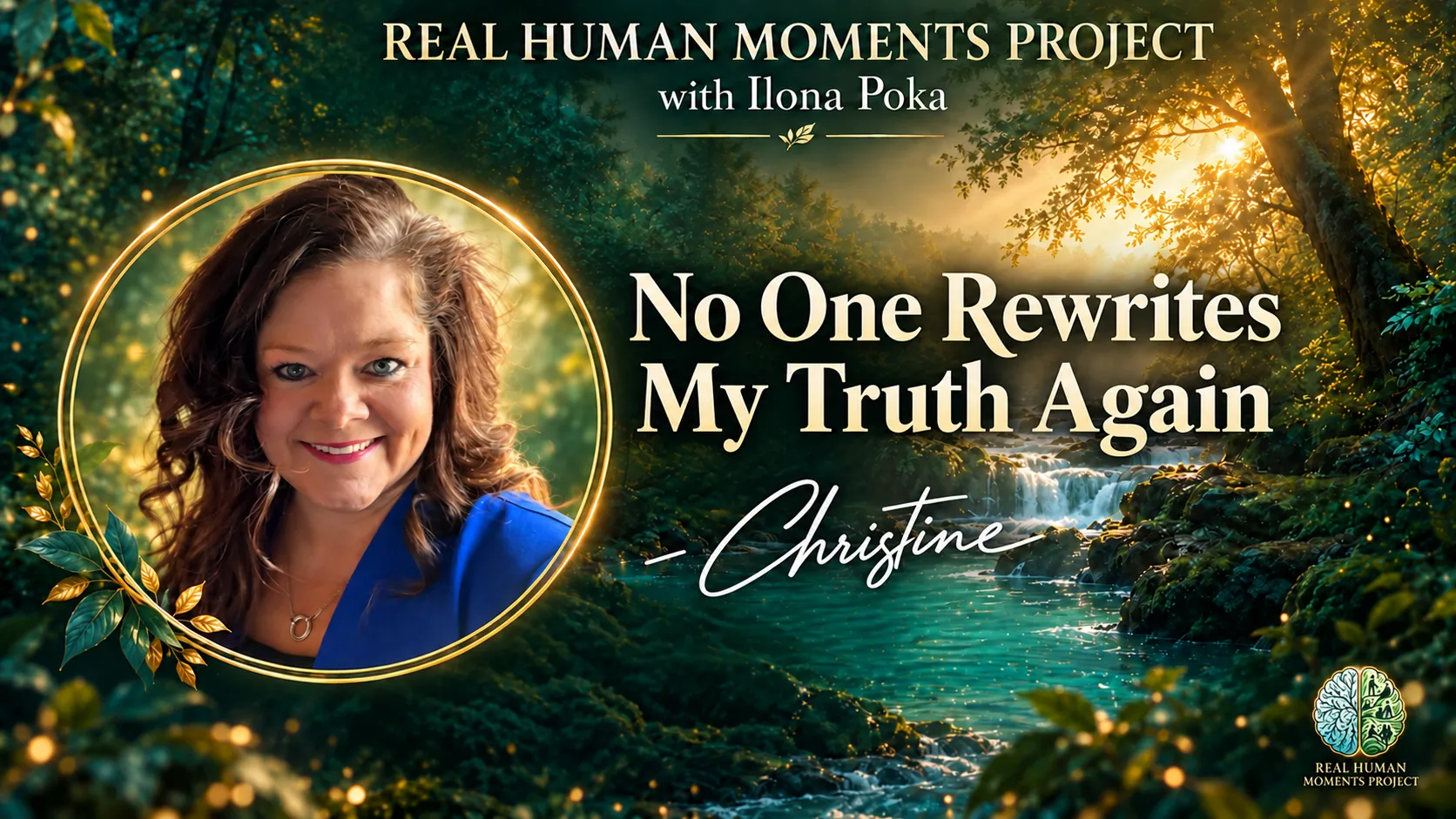
A conversation about reclaiming your voice, naming what happened, and choosing who gets to define your story.
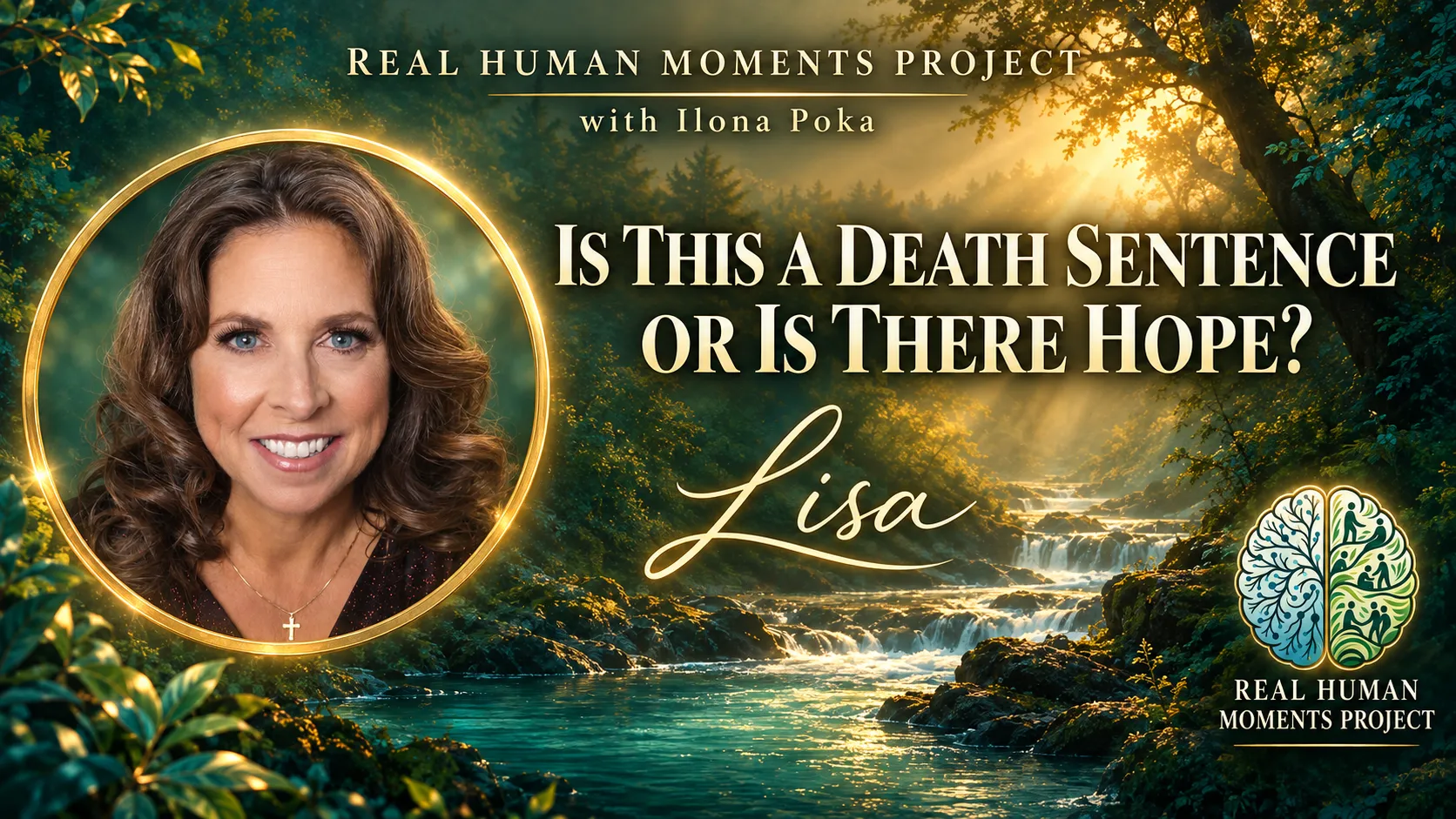
A conversation about facing a life-changing diagnosis, living with uncertainty, and making space for hope.
A conversation about pressure, setbacks, perspective, and turning hard moments into information for the next step.
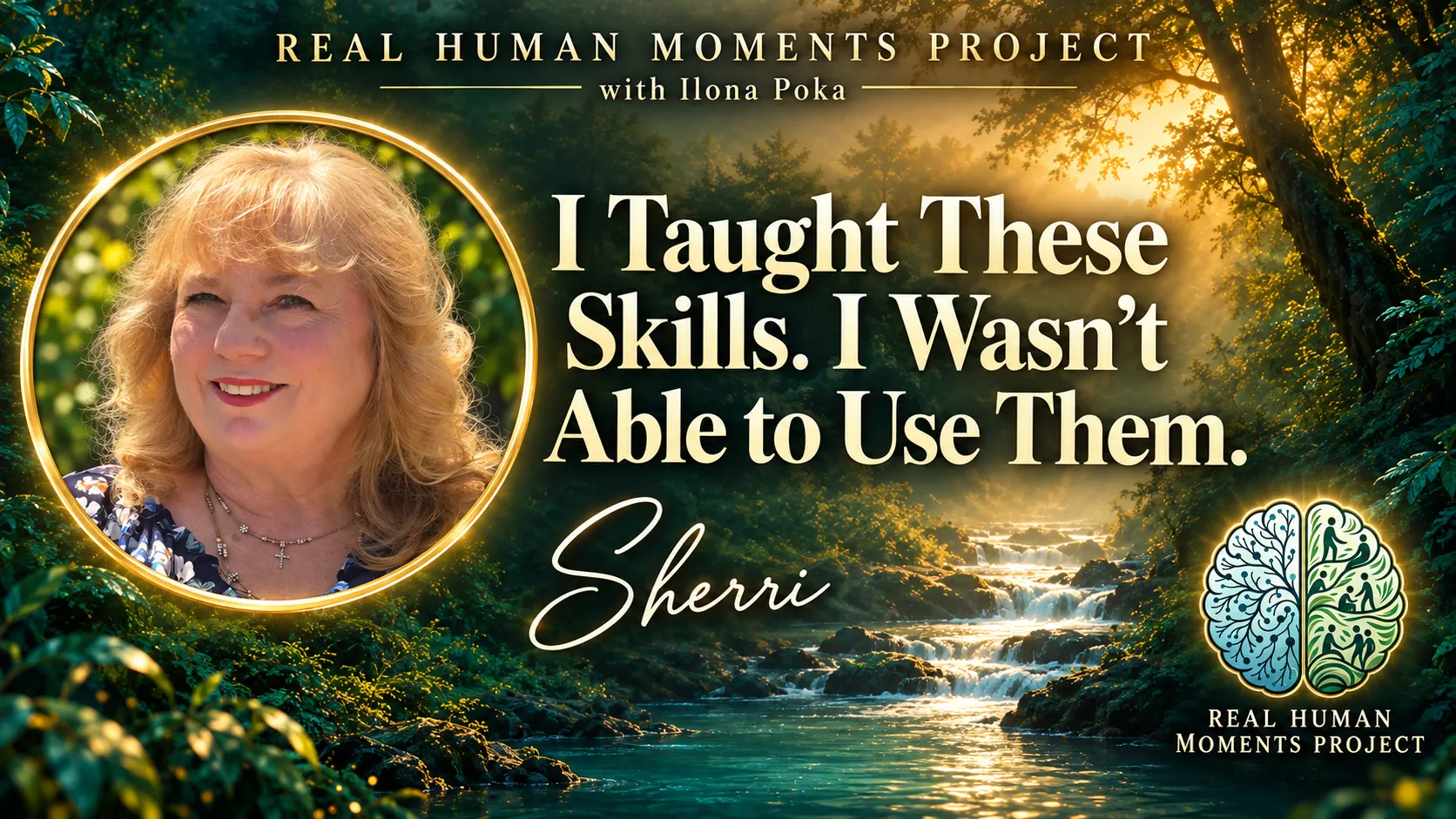
A conversation about the gap between knowing the tools and reaching them when your own nervous system is overwhelmed.
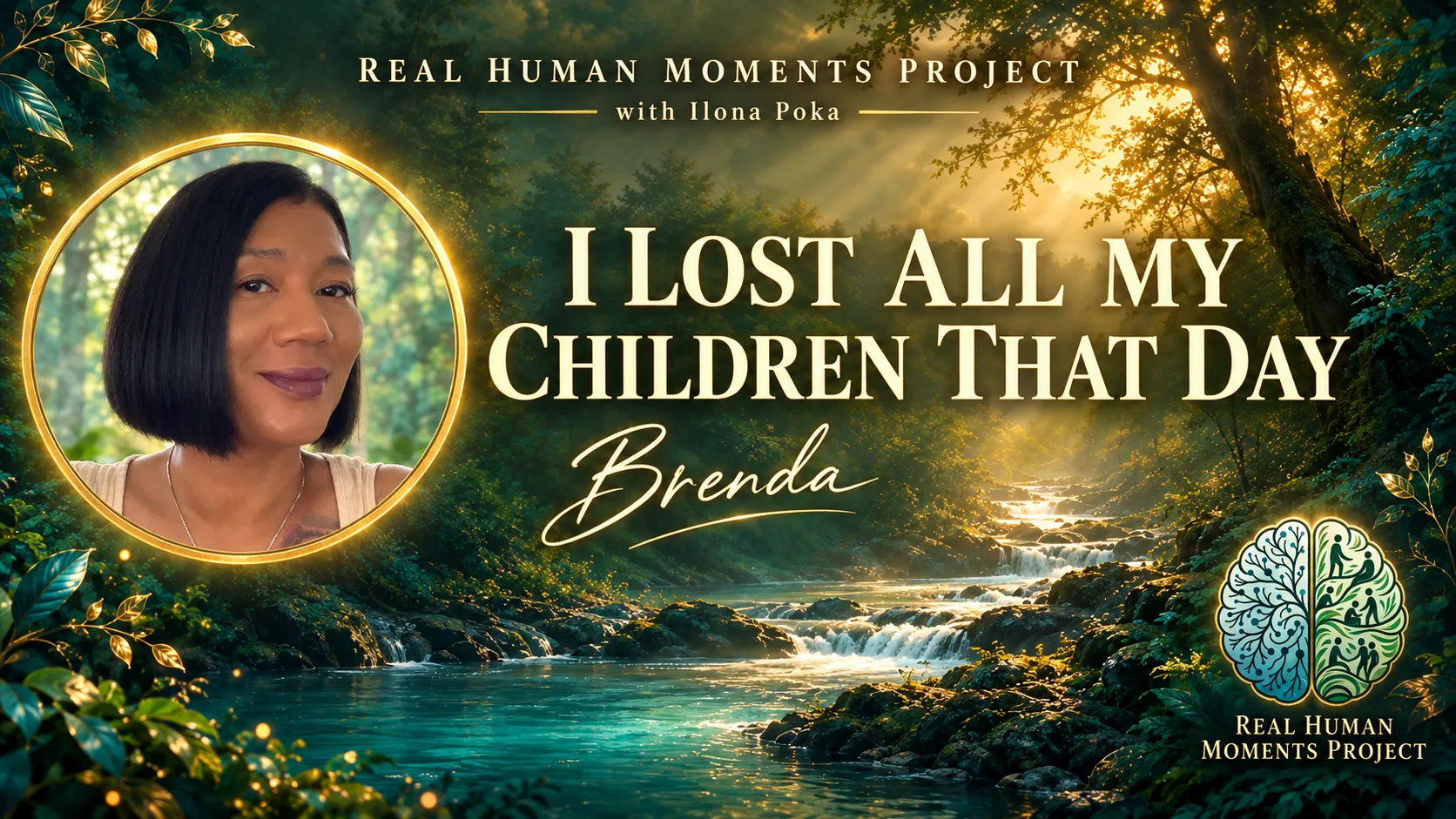
A mother shares grief, love, unanswered questions, and the life that changed in one devastating moment.
This story includes the violent death of a child, grief, and an unsolved homicide. Choose the time and setting that feel right for you.
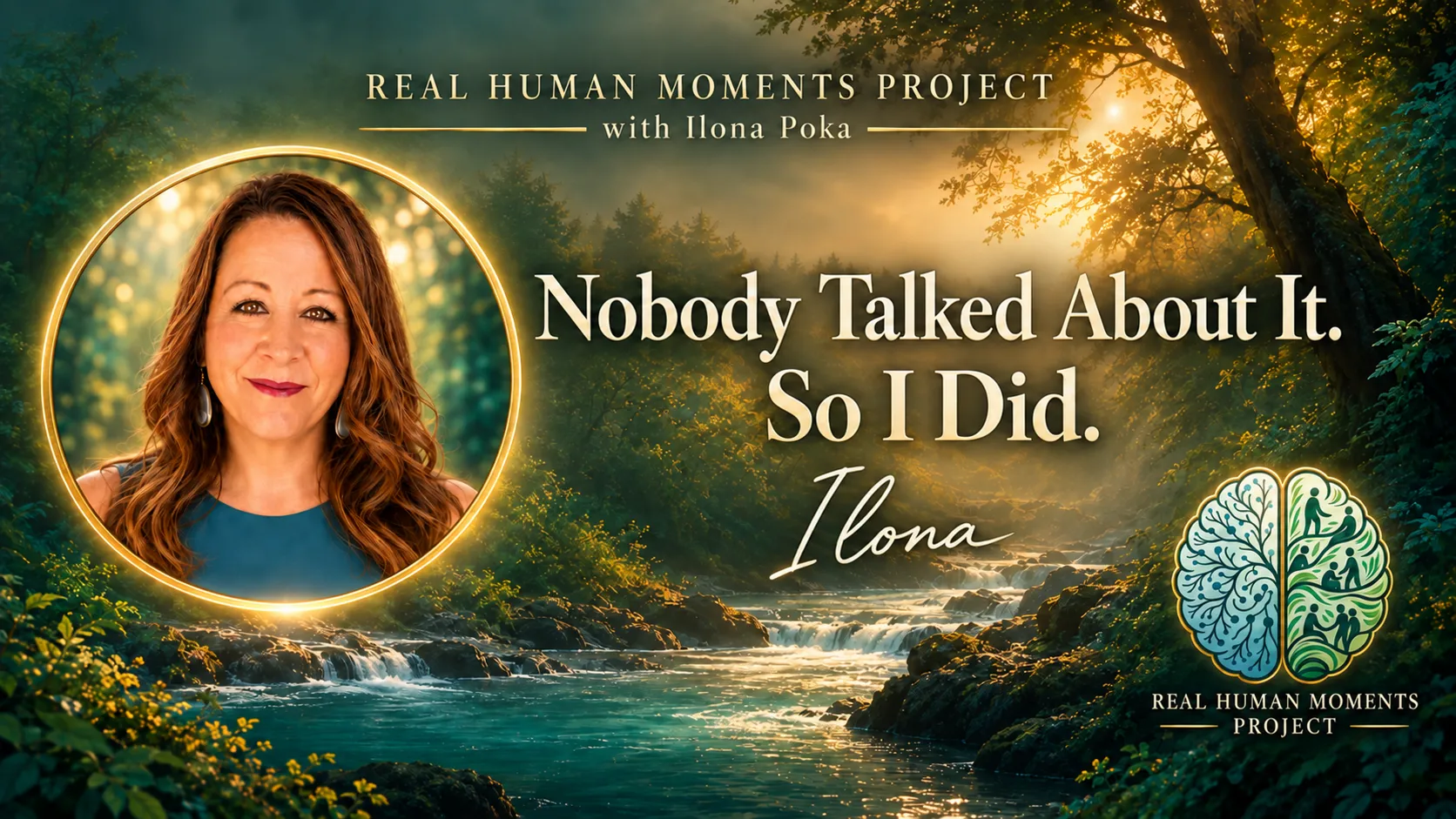
Ilona shares why honest conversations matter, what pressure can do to the brain and body, and why connection can help people find their next step.
Choose where you want to watch or listen. Follow the project for new honest conversations about mental health, grief, trauma, survival, healing, and hope.
You choose what to share, what stays private, and whether this project feels right for you. Submitting the form starts a conversation. It does not guarantee an interview or require you to move forward.
Share your interest. Complete the short form to tell me a little about yourself and the story you’d like to share.
I’ll personally review your submission. If the project feels like a good fit, I’ll invite you to a private conversation.
We’ll connect and talk. We’ll meet virtually to get to know each other, talk about your story, and explore what feels comfortable for you.
Your story, your choice. Together, we’ll decide what you’re comfortable sharing before anything is recorded or published. Your story has the power to help someone else feel less alone.
If you or someone you know is in crisis, call or text 988 to reach the 988 Suicide & Crisis Lifeline. Support is available 24 hours a day, 7 days a week. If there is immediate danger or a medical emergency, call 911.
The Real Human Moments Project shares personal stories and education. It does not provide therapy, diagnosis, medical care, crisis intervention, or emergency support.
The Real Human Moments Project welcomes thoughtful partnerships with associations, workplaces, schools, nonprofits, community groups, and events that value mental health education, dignity, and connection.
A relaxed 20-minute conversation about your people and what you’re seeing. No pitch.
Real conversations. Practical tools. A little more humanity in your inbox. Join People Matter Here.